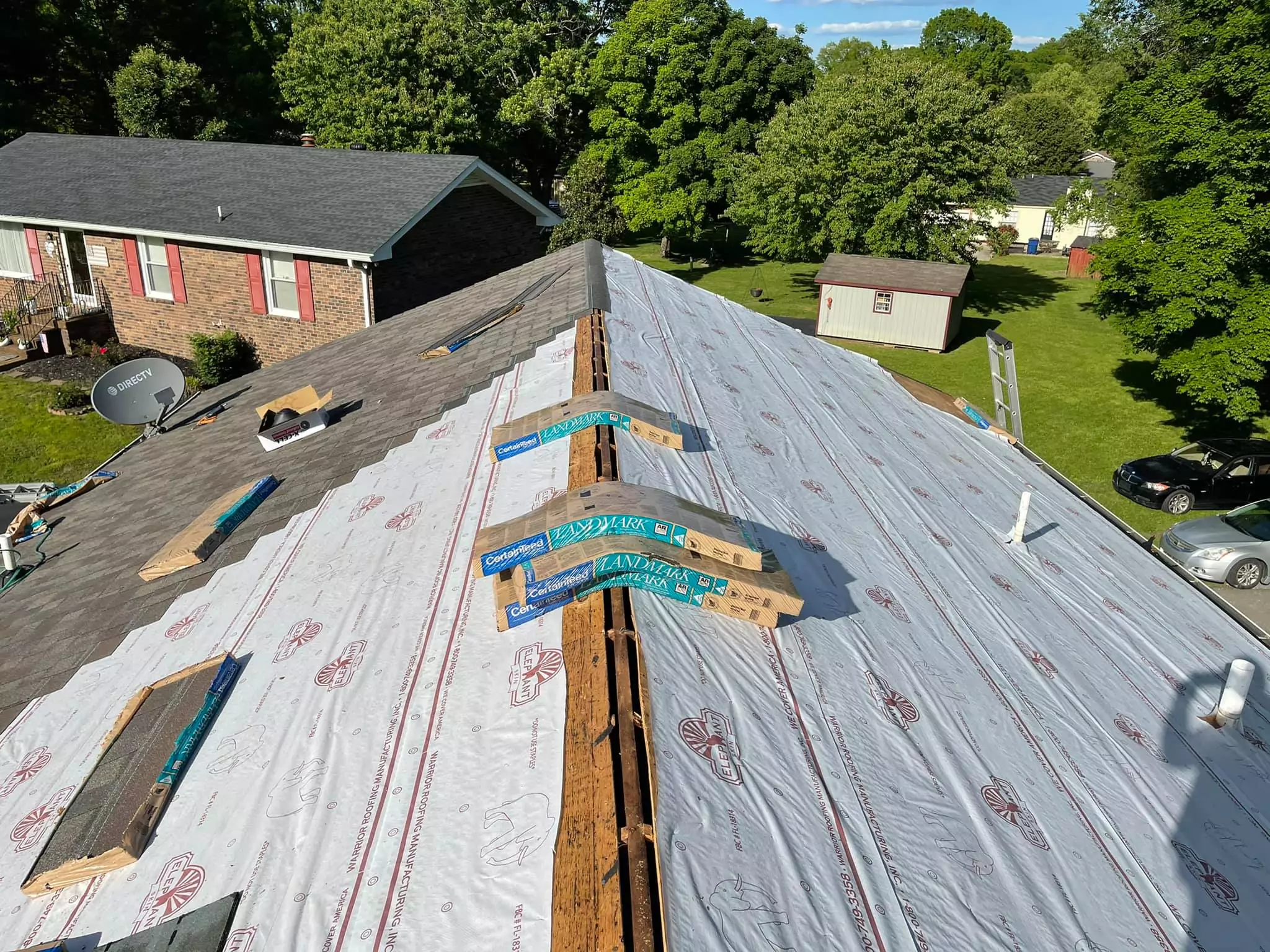
Storms can arrive quickly, but the damage they leave behind often develops slowly—sometimes over weeks or months. Wind, hail, heavy rain, and flying debris put tremendous stress on your roof, and early detection is key to preventing leaks, mold, structural issues, and costly repairs. At ROOFMAN, we help homeowners identify storm-related roof problems before they turn into major headaches. Here are the most common signs your roof has storm damage—both obvious and subtle—that you should never ignore.
1. Missing, Lifted, or Curled Shingles
One of the clearest indicators of storm damage is missing shingles. High winds can rip them off entirely, leaving bare patches of underlayment exposed to rain and sun. Even if shingles appear mostly in place, look for lifted edges or curling—common after strong gusts break the adhesive seals. Curling often happens along roof edges, ridges, or seams where wind pressure is highest. If you spot bald spots or shingles flapping loosely, water infiltration is already a risk.
2. Granule Loss in Gutters or Yard
Asphalt shingles rely on protective granules to shield against UV rays and weather. After hail or intense wind-driven rain, you may notice excess granules collecting in gutters, downspouts, or scattered around your yard. This "balding" exposes the shingle's asphalt core, accelerating deterioration and reducing your roof's lifespan. A sudden spike in granule buildup after a storm is a red flag.
3. Dents, Bruises, or Cracks from Hail
Hail impact creates circular dents, pockmarks, or soft spots on shingles—sometimes called "bruises." These may be subtle from the ground but become obvious up close. Larger hail (1 inch or more) can crack shingles, dent metal roofing, or damage flashing and vents. Check nearby surfaces too: dented gutters, downspouts, siding, or window screens often confirm hail damage to the roof.
4. Water Stains, Spots, or Leaks Inside Your Home
Interior signs are often the first clues that storm damage has gone unnoticed outside. Look for:
These indicate water has penetrated through damaged shingles, flashing, or seams—often from lifted shingles or hail punctures that allow slow leaks.
5. Damaged Flashing, Vents, or Gutters
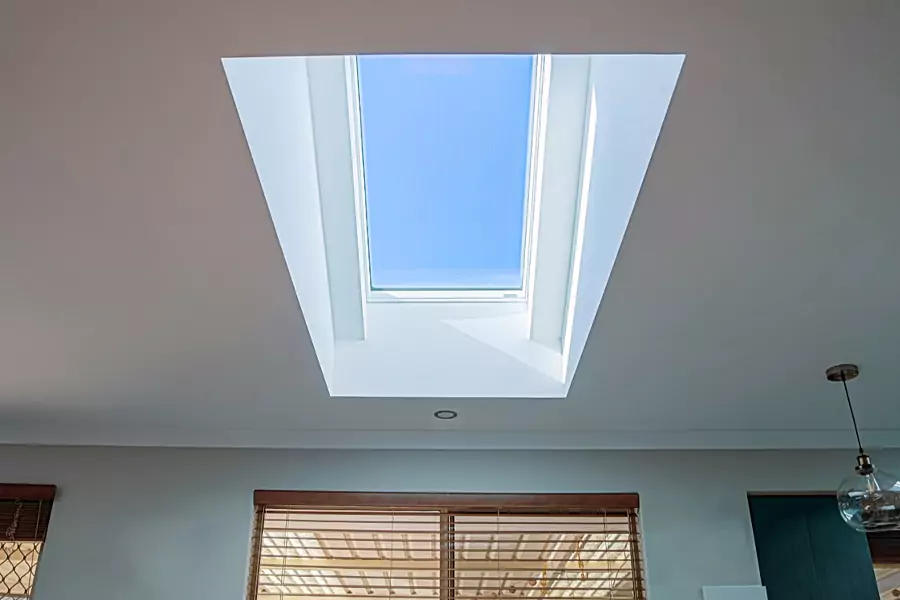
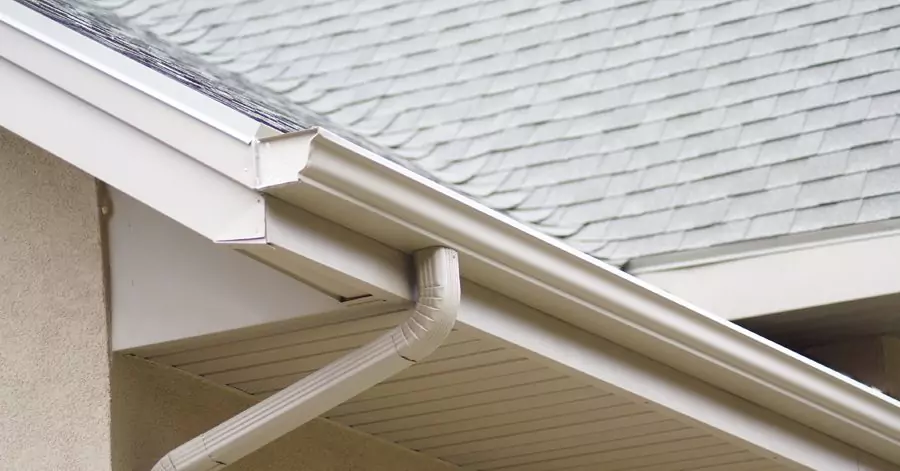
Flashing around chimneys, skylights, vents, and valleys is vulnerable to wind uplift and hail dents. If it's bent, loose, or pulled away, water can enter vulnerable seams. Gutters may be dented, detached, or clogged with debris and granules. Sagging gutters or pooling water near the foundation can worsen roof and structural problems.
6. Sagging Roofline or Structural Changes
Severe wind or heavy debris impact can damage the underlying roof deck or trusses, causing visible sagging or an uneven roofline. In attics, daylight peeking through boards signals major breaches. This is a serious issue requiring immediate professional attention.
What Should You Do If You Spot These Signs?
Ignoring even minor signs can lead to interior water damage, mold growth, higher energy bills, and premature roof failure.
Protect Your Home Year-Round with ROOFMAN
Storms don't wait for convenient timing, but timely action does. Regular inspections and prompt repairs keep your roof—and your home—strong against the next weather event. If you've noticed any of these signs after a recent storm, don't wait. Contact ROOFMAN today for a free inspection and expert advice. We're here to help you restore peace of mind and protect what matters most.
Need HVAC Services? Extreme Heating and Cooling provides dependable residential and commercial HVAC services, helping homeowners stay comfortable year-round with professional installation, maintenance, and emergency repair solutions tailored to Tennessee’s changing seasons.
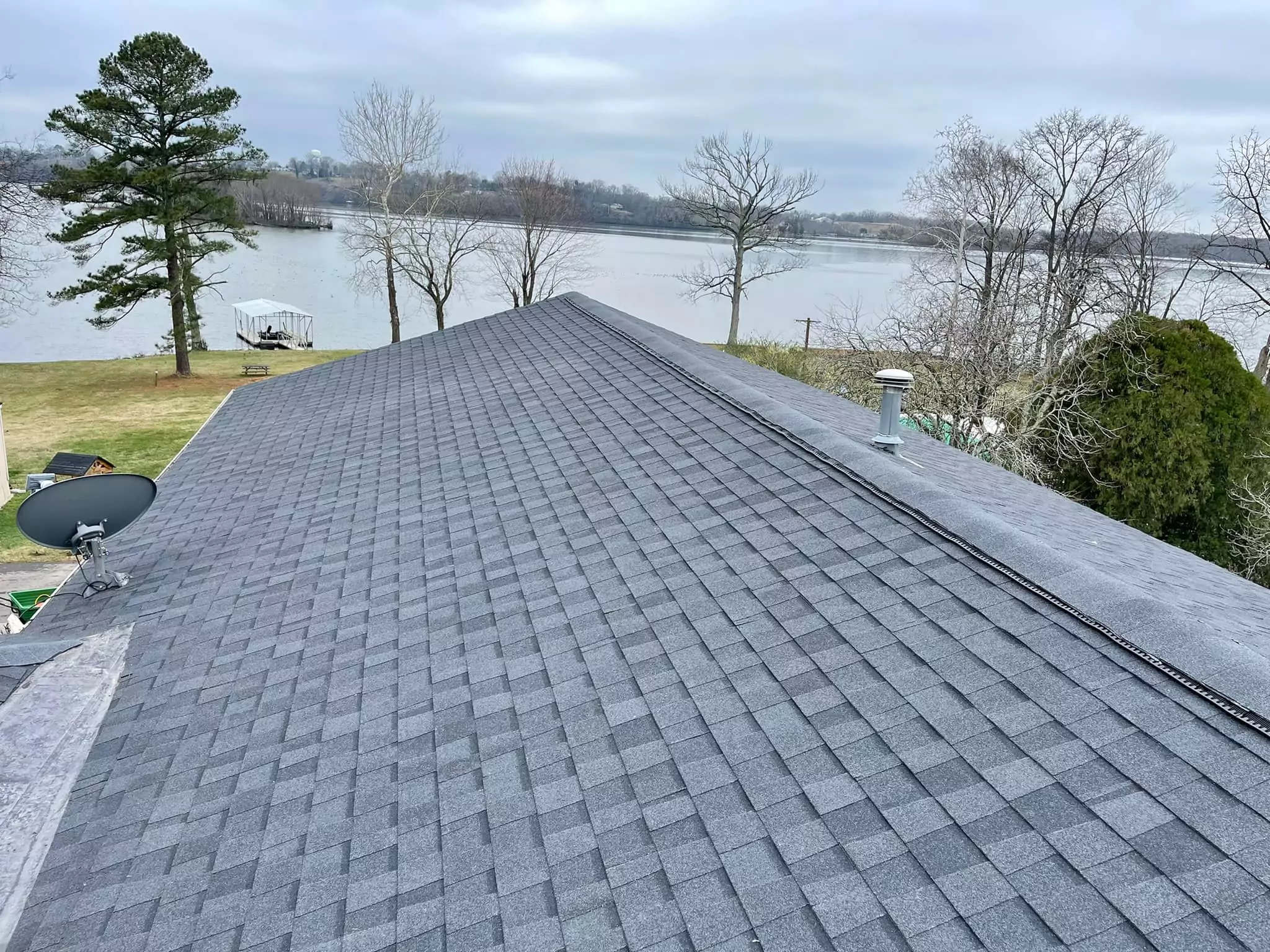

I had no idea what replacing a roof entailed, but Roofman/TN Pro Solutions couldn’t have made the process easier!
I didn’t realize that picking a roof color would be difficult either, but I wanted to get it right. Matt Campbell went above and beyond to get me extra sample boards, sent me photo after photo, and showed great patience as I spent days on my decision.
In the end, I decided not to try to match what I originally had, and go with my first gut choice (which also happened to be his recommendation), and I absolutely love it! It actually changed the overall aesthetic of my home and made me love it even more.
His team was fast and professional, and he was involved every step of the way to make the whole experience painless.
I highly recommend Roofman for all of your roofing needs.

Had several shingles missing after a storm. I called Tennessee pro solutions after it was recommended on Facebook and could not be happier! The salesman was very knowledgeable and navigated me through the whole process. I even have noticed a energy savings on my electric bill due to new vent system they recommended! Facebook and Tennessee Pro Solutions for the WIN!! Thank you again!
This was a great experience Matt really took care of me got it done way faster than expected a few weeks later i realized my roof was leaking i gave Matt a call and he came out within the hour and had it fixed same day all in all my experience was amazing the roof looked fantastic and i will definitely be giving my business to them from here on out it’s so amazing to be about to have great connections and that’s what Tennessee Pro Solutions is a great connection.
I can’t praise this company enough for coming out after a storm that caused significant damage and ultimately resulted in a full roof replacement. Their knowledge and professionalism made the process extremely easy while dealing with insurance as well as keeping things tidy while under construction which is very important in my eyes!
Very pleased with this company. We had a roof leak. When we contacted the company, they were very responsive, came and patched our roof & helped deal with insurance for this matter! It was replaced within a week! Highly recommend!
Thank you Matt for helping at a spare of the moment for a seller of mine and also finding things that were not necessary needing to be done on an inspection list. You are honest , trustworthy and a great asset to our community! Definitely on my vendor list to call for now on!!
For quality of service and a commitment to excellence, I would highly recommend Matt Campbell and Tennessee Pro Solutions. Matt has completed several projects for us and we have always been extremely pleased with the results. His work ethic and dedication to service are unmatched.
Copyright © 2025 ROOFMAN LLC. | All Rights Reserved